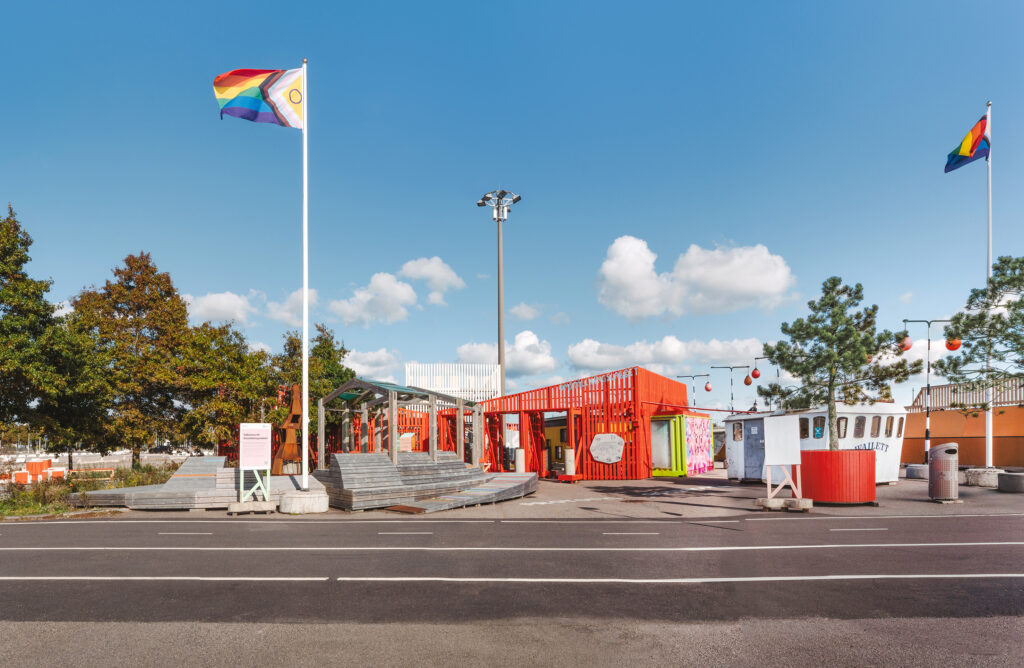
How can we create public spaces where both people and nature are given equal space – and where different voices are heard on equal terms? This is the core question in the project Ecofeminism in Practice: Provo-typing in Gothenburg.
Based on research in ecofeminism and provocative prototyping (provo-typing), the aim is to counteract patriarchal urban development. This is done by developing physical, eco- and gender-inclusive “provotypes” that are co-created with local stakeholders in the Frihamnen area of Gothenburg. The project generates new sustainable solutions that: a) question norms and standardized processes in the development of public space; and b) facilitate the coexistence of nature and people, focusing on underrepresented social groups (female/non-binary youth) through non-exclusive design. A desirable long-term effect is to demonstrate that user engagement and site-specific processes can result in gender-neutral, ecologically diverse, and sustainable public environments.
The project is built on interdisciplinary collaboration between academia, practice, and the public sector and is carried out in four work packages (WPs): WP1 Research for Design; WP2 Preparation for Provo-typing; WP3 Provotypes: Implementation and Evaluation; WP4 Project Management.
The project uses a so-called participatory agonistic approach, where argumentative dialogue forms the basis for co-creation throughout the process (design, construction, and evaluation). We start with a Research for Design based on state-of-the-art investigations. The research informs the development, design, implementation, and evaluation of the Provotype.
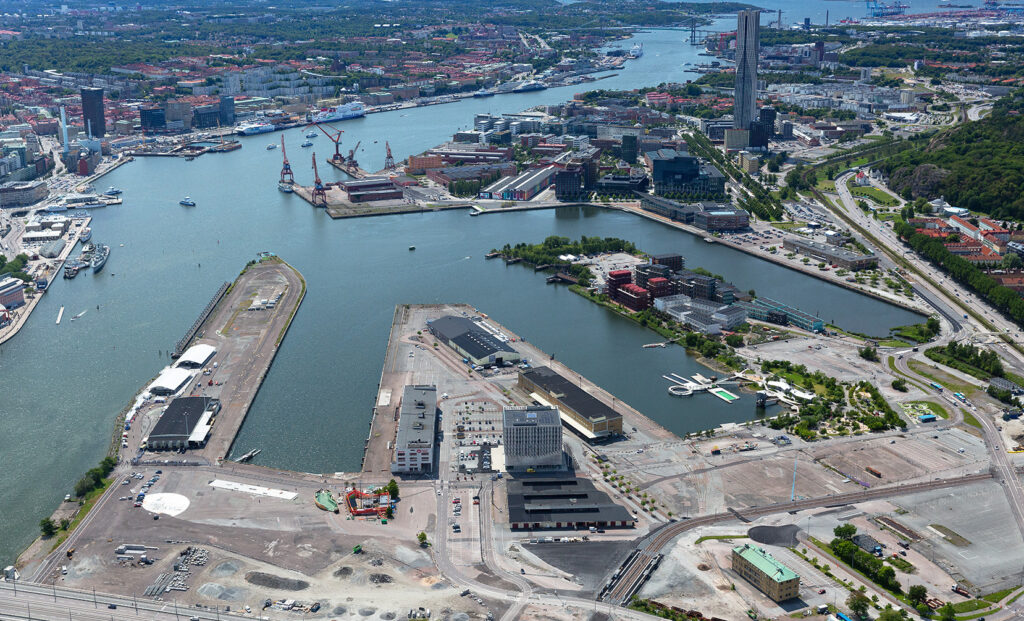
Previous prototypes in Frihamnen, such as Shoreline Park and Play and Learn Park, have shown how open processes can break down barriers between experts, decision-makers, and the public. The work now continues by testing new ideas in reality – provotypes that can raise questions, spark discussions, and inspire alternative ways of thinking about the cities of the future.
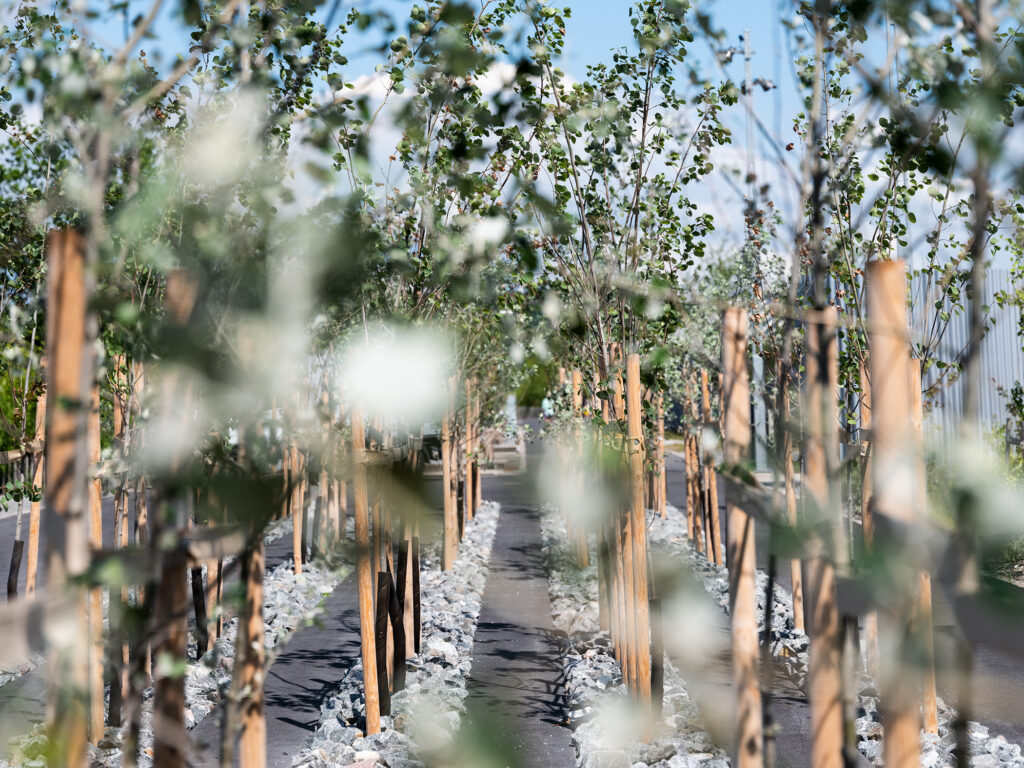
The project is carried out in close collaboration between Chalmers, MARELD, and the City of Gothenburg through Omställningslabbet (the Transition Lab) in Frihamnen. The goal is to show that co-creation, ecological diversity, and gender equality can go hand in hand – and that public spaces can become more inclusive, equitable, and sustainable for both people and nature. The project runs for two years (2024–2026).